
Description
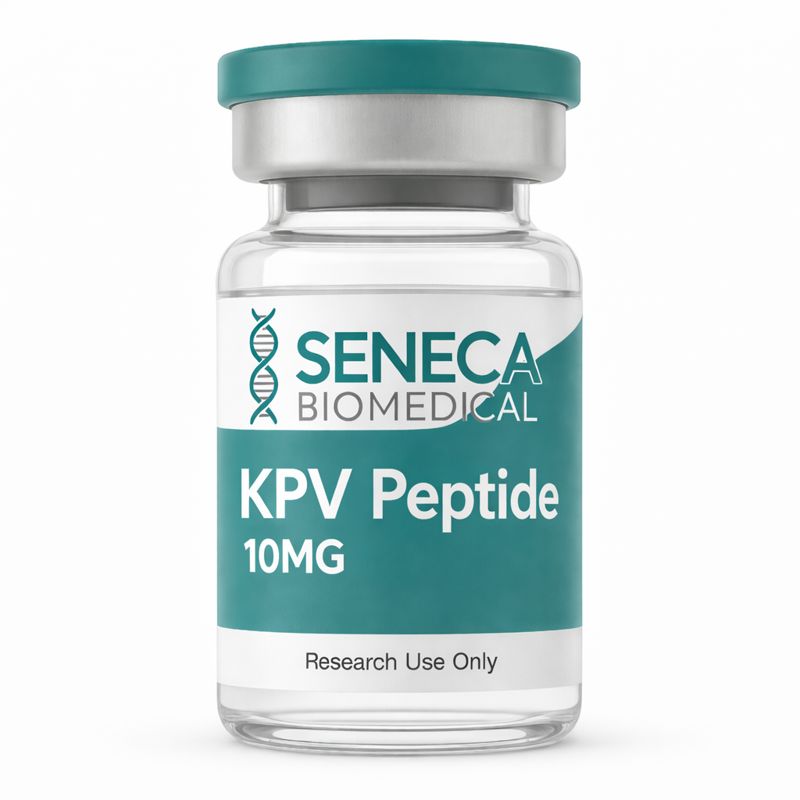
KPV Peptide
KPV Peptide is a high-purity, research-grade tripeptide composed of Lysine (K), Proline (P), and Valine (V). Derived from alpha-melanocyte-stimulating hormone (α-MSH), KPV is gaining attention for its targeted anti-inflammatory and immune-regulating effects in preclinical research.
Key Benefits (Research Context):
-
Anti-inflammatory action: Inhibits NF-κB signaling and reduces pro-inflammatory cytokines such as TNF-α and IL-6.
-
Gut health support: Promotes intestinal barrier integrity and reduces localized gut inflammation.
-
Immune modulation: Balances immune responses without broad immunosuppression.
-
Skin & mucosal health: Studied for topical and localized applications in inflammation, eczema, and wound healing.
Research Applications:
KPV Peptide is primarily used in laboratory and research settings to study:
-
Chronic inflammatory conditions
-
Gut-related immune disorders
-
Autoimmune disease models
-
Skin inflammation and mucosal tissue studies
Form and Handling:
-
Available in lyophilized powder form for research use.
-
Can be reconstituted with sterile water for laboratory experiments.
-
No FDA-approved human dosage; for research purposes only.
Safety and Quality:
-
Preclinical studies suggest well-tolerated and low toxicity.
-
Non-pigmentary: does not affect melanin production.
-
Comes with a Certificate of Analysis (CoA) for purity and quality assurance.
Who Should Use KPV Peptide:
-
Researchers, clinicians, and scientific laboratories exploring anti-inflammatory and immune-modulating peptides.
-
Not intended for human consumption or therapeutic use.
Key Features (Bullet Points for WooCommerce)
-
Research-grade KPV peptide (Tripeptide: Lysine-Proline-Valine)
-
Anti-inflammatory and immune-modulating properties
-
Supports gut, skin, and mucosal health in research models
-
High purity and lab-tested with Certificate of Analysis
-
Non-pigmentary, low toxicity, and preclinical studied
-
Ideal for laboratory and scientific research purposes only
Important Note: KPV peptide is not approved as a medicine in Pakistan and is typically discussed for research and educational purposes.
