Table of Contents
Introduction
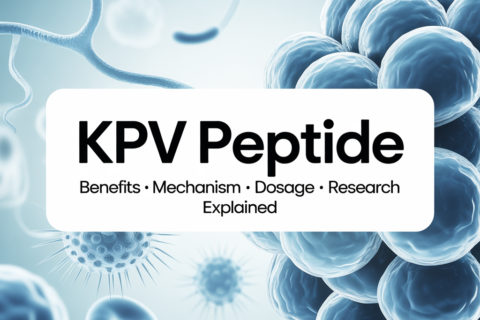
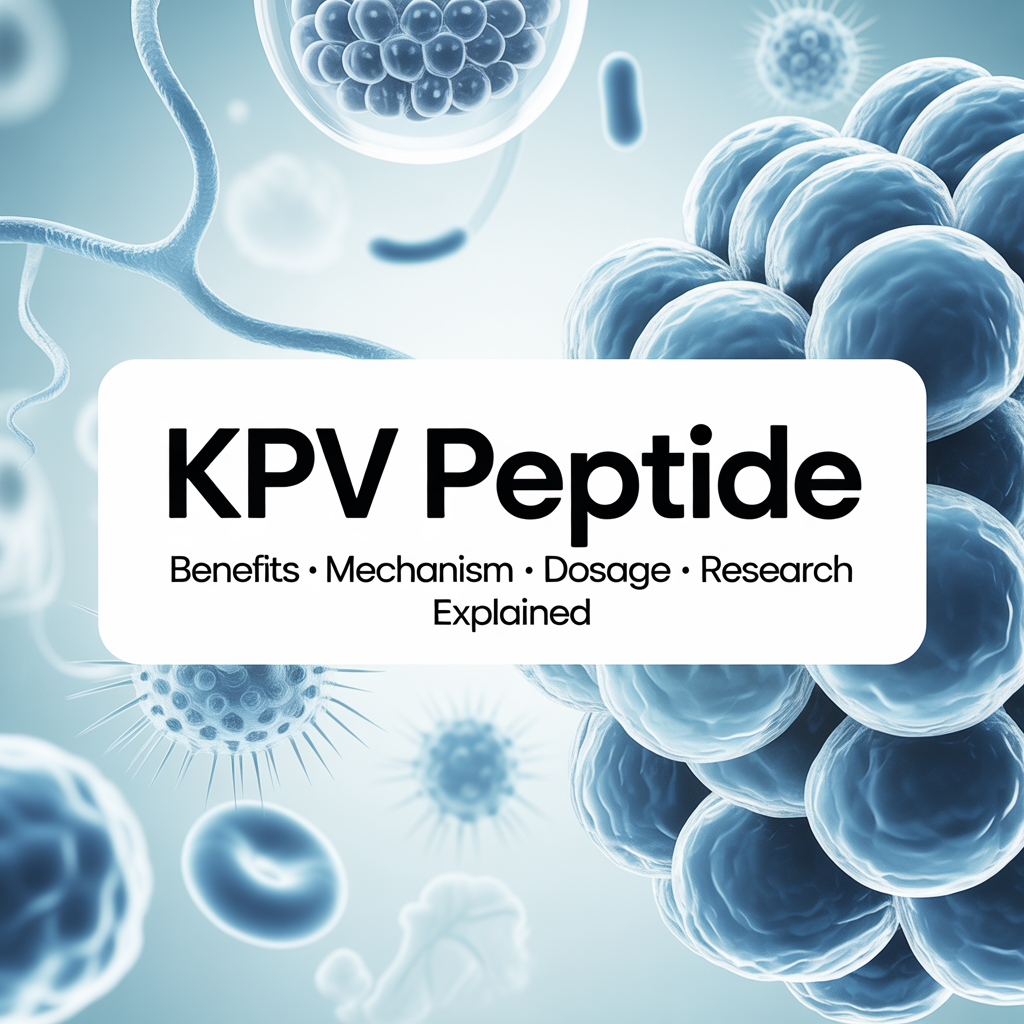
Inflammation is at the core of many chronic health conditions, ranging from gut disorders to skin and immune-related issues. In recent years, peptide research has highlighted several bioactive compounds with promising anti-inflammatory properties. One such compound is the KPV peptide, a short tripeptide derived from alpha-melanocyte-stimulating hormone (α-MSH). Known for its immune-modulating and anti-inflammatory potential, KPV has gained attention among researchers, clinicians, and biohackers alike. This article provides a comprehensive, research-based overview of the KPV peptide, including how it works, its studied benefits, safety profile, and current scientific evidence. For more learn visit SENECA BIOMEDICAL
KPV Peptide – Detailed Overview Table
| Category | Details |
|---|---|
| Peptide Name | KPV Peptide |
| Amino Acid Sequence | Lysine – Proline – Valine (K-P-V) |
| Peptide Type | Tripeptide |
| Origin | Fragment of alpha-melanocyte-stimulating hormone (α-MSH) |
| Primary Function | Anti-inflammatory and immune modulation |
| Mechanism of Action | Inhibits NF-κB signaling pathway, reduces pro-inflammatory cytokines such as TNF-α and IL-6 |
| Key Research Areas | Gut inflammation, inflammatory bowel disease (IBD), immune regulation, skin and mucosal inflammation |
| Gut Health Role | Supports intestinal barrier integrity and reduces localized gut inflammation |
| Immune System Effects | Modulates immune response without broad immune suppression |
| Pigmentation Effects | Non-pigmentary (does not affect melanin production) |
| Common Research Forms | Oral (enteric-coated), injectable (research), topical formulations |
| Dosage Status | No FDA-approved or standardized clinical dosage (research-based only) |
| Safety Profile | Generally well tolerated in preclinical studies; low toxicity reported |
| Side Effects | Minimal side effects observed in research settings |
| Regulatory Status | Not FDA approved; classified as a research compound |
| Comparison Advantage | Targeted anti-inflammatory action, especially in gut and mucosal tissues |
| Intended Audience | Researchers, clinicians, biohackers, scientific readers |
| Clinical Evidence Level | Preclinical and early research studies |
| Approval for Medical Use | ❌ Not approved for therapeutic use |
What Is KPV Peptide?
KPV is a tripeptide composed of three amino acids: Lysine (K), Proline (P), and Valine (V). It is a naturally occurring fragment of α-MSH, a hormone involved in immune regulation and inflammatory control. Unlike its parent hormone, KPV is non-pigmentary, meaning it does not influence skin color, which makes it particularly interesting for therapeutic research.
Because of its small molecular size, KPV is relatively stable and has demonstrated activity in localized tissues such as the gastrointestinal tract, skin, and mucosal surfaces.
How Does KPV Peptide Work? (KPV peptide mechanism of action)
The primary mechanism of KPV peptide revolves around immune modulation and inflammatory pathway suppression. Research suggests that KPV:
- Inhibits NF-κB activation, a key signaling pathway involved in inflammation
- Reduces the production of pro-inflammatory cytokines such as TNF-α and IL-6
- Helps regulate immune cell responses without broad immune suppression
Unlike corticosteroids or NSAIDs, KPV appears to work by restoring immune balance rather than shutting down immune activity, which is why it is being explored for chronic inflammatory conditions.

Scientifically Studied KPV peptide benefits
1. KPV peptide inflammation Anti-Inflammatory Effects
KPV has been widely studied for its potent anti-inflammatory properties, particularly in models of chronic inflammation. It may help calm overactive immune responses without compromising overall immune defense. According to a study on PubMed, KPV peptide reduces intestinal inflammation
2. Gut Health and IBD Research
One of the most promising areas of KPV research is intestinal inflammation. Studies involving colitis and inflammatory bowel disease (IBD) models show that KPV may:
- Reduce intestinal inflammation
- Support mucosal healing
- Improve gut barrier integrity
This makes KPV a compound of interest for Crohn’s disease and ulcerative colitis research.
3. Immune System Modulation
Rather than acting as an immunosuppressant, KPV helps normalize immune signaling, which may be beneficial in autoimmune and inflammatory disorders where immune balance is disrupted.
4. Skin and Mucosal Health
Topical and localized applications of KPV have shown potential benefits in skin inflammation, eczema, and wound healing, due to its ability to reduce inflammatory signaling at the tissue level.
KPV Peptide Dosage and Administration (Educational Overview)
KPV peptide is commonly discussed in research contexts in the following forms:
- Oral formulations (often enteric-coated for gut targeting)
- Injectable forms (primarily for research purposes)
- Topical preparations for dermatological research
Dosage varies widely depending on study design and application. Importantly, there is no universally approved clinical dosage, and any discussion of dosing should remain strictly educational and research-based.
⚠️ KPV peptide is not FDA-approved for medical treatment. Any use should be under qualified medical supervision.
Safety, Side Effects, and Tolerability
Available research indicates that KPV peptide is well tolerated in experimental settings. Reported observations include:
- Low toxicity
- No pigmentary effects
- Minimal systemic side effects
However, large-scale human clinical trials are still limited, and long-term safety data is not yet conclusive.
KPV Peptide vs Other Anti-Inflammatory Peptides
| Peptide | Primary Function | Key Difference |
|---|---|---|
| KPV | Anti-inflammatory & immune modulation | Non-pigmentary, gut-focused |
| BPC-157 | Tissue repair & gut healing | Strong regenerative effects |
| TB-500 | Cellular migration & recovery | More systemic action |
KPV stands out for its targeted anti-inflammatory action, especially in mucosal tissues.
Current Research, Clinical Studies, and Limitations
Most KPV studies are preclinical, involving animal models and in vitro experiments. While results are promising, limitations include:
- Lack of large-scale human trials
- Variability in delivery methods
- Regulatory restrictions
Despite these limitations, KPV remains a high-interest peptide in immunology and gastroenterology research.
Who May Benefit From KPV Peptide? (Research Context)
Based on current literature, KPV is being explored for:
- Chronic inflammatory conditions
- Gut-related immune disorders
- Skin inflammation research
- Autoimmune disease models
It is primarily of interest to researchers, clinicians, and advanced biohackers seeking non-steroidal anti-inflammatory pathways.
Frequently Asked Questions (FAQs)
Is KPV peptide FDA approved?
No, KPV peptide is not FDA-approved and is currently considered a research compound.
Does KPV affect skin pigmentation?
No, unlike α-MSH, KPV does not influence melanin production.
Can KPV be taken orally?
Research suggests oral delivery may be effective for gut-targeted applications, but formulation matters.
Is KPV a steroid?
No, KPV is a peptide and works through immune signaling pathways, not hormonal mechanisms.
Conclusion
The KPV peptide represents a promising area of peptide research due to its targeted anti-inflammatory and immune-modulating properties. While current evidence is largely preclinical, its ability to reduce inflammation without suppressing immune function makes it a compelling subject for ongoing scientific exploration. As research advances, KPV may play an important role in the future of inflammation and gut-health-focused therapies.
📚 References
- Catania A, et al.
The neuropeptide alpha-MSH in immune modulation and inflammation.
Trends in Immunology, 2004.
→ Foundational research explaining α-MSH and its anti-inflammatory fragments like KPV. - Brzoska T, et al.
Anti-inflammatory properties of melanocortin peptides.
Journal of Leukocyte Biology, 2008.
→ Details how melanocortin-derived peptides regulate inflammatory pathways. - Kannengiesser K, et al.
KPV tripeptide inhibits NF-κB activation and cytokine production.
Inflammation Research, 2008.
→ Key study describing KPV’s mechanism of action. - Maaser C, et al.
KPV peptide reduces intestinal inflammation in experimental colitis.
Gastroenterology, 2006.
→ Strong evidence supporting KPV’s gut-focused anti-inflammatory effects. - Getting SJ.
Melanocortin peptides and their therapeutic potential in inflammatory disease.
Pharmacology & Therapeutics, 2006.
→ Reviews therapeutic relevance of melanocortin peptides including KPV. - Luger TA, et al.
The role of alpha-MSH peptides in immune regulation.
Annals of the New York Academy of Sciences, 2003.
→ Explains immune-modulating properties of α-MSH derivatives. - NIH – National Center for Biotechnology Information (NCBI)
Peptide-mediated regulation of inflammatory signaling pathways.
→ Authoritative background on peptides and inflammation research. - PubMed Database
Search terms: “KPV peptide inflammation”, “KPV tripeptide colitis”
→ Peer-reviewed source for ongoing and updated research.
- Scientific Journals / Research Articles
- Authoritative Medical References
- Mayo Clinic (for general inflammation or gut health pages)
- NIH – National Library of Medicine
- Peer-Reviewed Reviews
- Example: Trends in Immunology, 2004 – Alpha-MSH and immune modulation
The information provided is for educational and research purposes only. KPV peptide is not approved for medical use, and referenced studies are primarily preclinical.